

A commercial build-out transforms an empty or underutilized interior into a fully functional environment aligned with business operations, workflow, and brand identity. Property owners and tenants often depend on a qualified commercial build-out firm to convert shell spaces into offices, retail locations, medical facilities, or specialized environments that serve operational demands.
While many property improvements fall under construction, build-outs require coordinated planning, technical expertise, and execution discipline similar to comprehensive projects like B & C Enterprises, Inc.’s approach to Elgin residential general contractor services, where structure, performance, and usability remain top priorities.
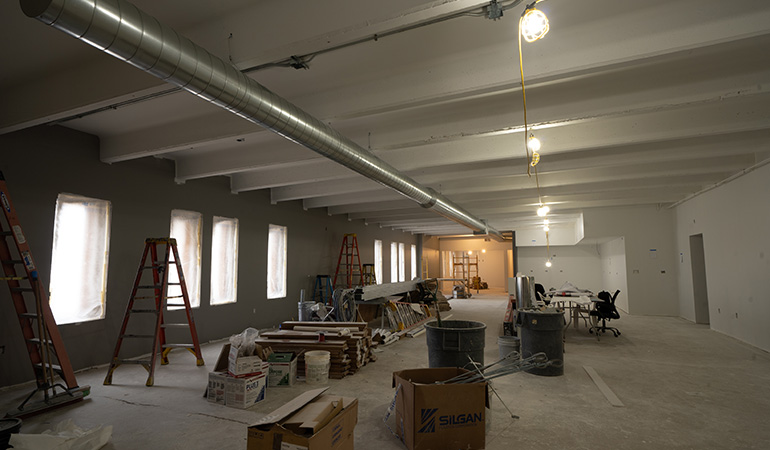
Before
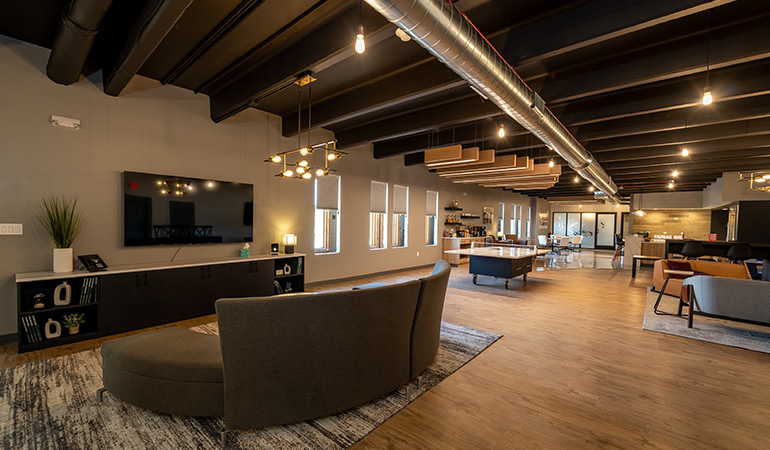
After
Understanding What Defines a Commercial Build-Out
A commercial build-out refers to interior construction work that prepares a commercial space for occupancy. These projects begin with a shell condition, which may include only exterior walls, basic utility connections, and unfinished interiors. The build-out process transforms this raw space into a usable environment that meets operational and regulatory requirements.
A commercial build-out firm manages the integration of mechanical, electrical, plumbing, structural, and architectural components. This work includes partition walls, ceilings, lighting systems, flooring, restrooms, millwork, and infrastructure that aligns with the intended business function. Unlike ground-up construction, build-outs adapt an existing structure to serve new purposes without altering the entire building framework.
This distinction allows business owners to customize interiors while maintaining structural integrity and compliance with building codes.
Why Commercial Build-Outs Require Strategic Planning
Commercial build-outs involve more than installing walls and finishes. Each decision affects operational efficiency, maintenance costs, and long-term flexibility. Poor planning often leads to expensive corrections, operational disruption, and delayed occupancy.
Professional planning begins with a clear understanding of how the space will function. Office environments require efficient layouts that balance privacy and collaboration. Retail locations must guide customer flow while maximizing product visibility. Medical and industrial environments demand strict compliance with health and safety regulations.
A commercial build-out firm evaluates spatial constraints, utility capacity, and regulatory requirements before construction begins. This process reduces risk and creates a predictable path toward project completion.
Types of Commercial Build-Out Conditions
Commercial spaces typically fall into cold shell, warm shell, or second-generation conditions. Each condition affects the amount of work required.
A cold shell represents the most unfinished state. These spaces lack interior finishes, HVAC distribution, and operational infrastructure. Build-outs in cold shell environments involve full interior construction, utility installation, and system integration.
Warm shell spaces include partial infrastructure, such as HVAC systems, basic lighting, and limited interior finishes. These projects focus on customization rather than complete interior construction.
Second-generation spaces contain prior tenant improvements. These environments often require demolition, layout modification, and system upgrades. The build-out firm evaluates existing infrastructure and determines what remains usable and what requires replacement.
This evaluation process prevents unnecessary costs and aligns construction efforts with business needs.
The Role of Layout Design in Operational Efficiency
Interior layout affects workflow, employee productivity, and customer experience. Poor space planning creates bottlenecks, inefficient circulation, and operational limitations.
Commercial build-outs begin with detailed space planning. Construction teams collaborate with designers, engineers, and project stakeholders to develop layouts that reflect operational requirements. Office spaces require balanced workstation arrangements, conference rooms, and shared areas. Retail layouts must prioritize visibility, accessibility, and circulation flow.
Custom millwork, cabinetry, and integrated storage solutions improve organization and maximize usable space. These elements align structural construction with functional requirements rather than treating them as decorative additions.
This design-build approach mirrors the integrated planning seen in residential environments, where design and construction align closely, similar to the workflow illustrated in design-build home remodeling, where layout and infrastructure planning shape long-term performance.
Infrastructure Integration and Technical Coordination
Commercial interiors rely on interconnected systems that require precise coordination. Electrical infrastructure supports lighting, equipment, and technology systems. Mechanical systems regulate climate control. Plumbing systems serve restrooms, kitchens, and specialty equipment.
Improper coordination between these systems creates operational inefficiencies and costly repairs. A qualified commercial build-out firm evaluates load requirements, system capacity, and regulatory compliance before installation.
Technical planning also addresses future expansion. Businesses often grow, requiring additional equipment, personnel, or operational changes. Flexible infrastructure planning allows businesses to adapt without requiring extensive reconstruction.
This foresight reduces long-term costs and protects the value of the initial investment.
Compliance With Building Codes and Regulatory Requirements
Commercial construction must comply with building codes, fire safety standards, accessibility regulations, and occupancy requirements. These regulations protect occupants, maintain safety, and preserve structural integrity.
A commercial build-out firm manages permit applications, inspections, and code compliance throughout construction. This process prevents delays caused by regulatory violations or incomplete documentation.
Accessibility requirements, including ADA compliance, affect entryways, restrooms, and circulation paths. Fire safety systems, including alarms, sprinklers, and emergency exits, must align with code requirements.
Failure to address these requirements during construction leads to operational delays and increased costs. Professional oversight allows projects to move forward without regulatory interruptions.
Material Selection and Long-Term Performance
Material selection directly affects durability, maintenance costs, and visual consistency. Commercial environments experience higher traffic levels than residential spaces, requiring materials that withstand constant use.
Flooring must tolerate foot traffic, equipment movement, and cleaning routines. Wall finishes must resist wear and maintain appearance over time. Lighting systems must balance efficiency with visibility.
Custom millwork and cabinetry play a significant role in commercial interiors. These components affect storage, organization, and operational efficiency. High-quality millwork aligns construction with functional needs while reinforcing brand identity.
Material selection reflects long-term operational priorities rather than short-term appearance.
Cost Factors That Influence Commercial Build-Out Projects
Commercial build-out costs vary based on space condition, complexity, infrastructure requirements, and customization level. Cold shell projects require extensive construction, increasing overall costs. Second-generation spaces may reduce costs but require evaluation and modification.
Mechanical and electrical upgrades affect budgets significantly. Layout complexity, custom millwork, and specialized equipment installations also influence project costs.
Professional planning allows business owners to allocate resources strategically. Value engineering evaluates construction methods, materials, and design options to balance performance and cost efficiency.
Start Your Commercial Build-Out With a Team Focused on Precision and Long-Term Value
At B & C Enterprises, Inc., we approach every commercial build-out with careful planning, value engineering, and disciplined execution. Our team delivers turnkey construction, custom millwork, and full interior build-outs aligned with operational goals. With us, businesses gain reliable project management, cost efficiency, and professional results that prepare spaces for long-term performance.
If you are planning a project, contact us today to connect with our team.