


A commercial interior is more than walls and finishes. It represents workflow, brand identity, safety standards, and long-term operational efficiency. Selecting the right commercial build-out contractors determines how effectively those priorities translate into a functional space.
The decision influences scheduling accuracy, cost control, trade coordination, and the quality of craftsmanship across every phase of construction.
Business owners who approach contractor selection with careful evaluation avoid delays, budget strain, and performance issues that surface long after the ribbon cutting.
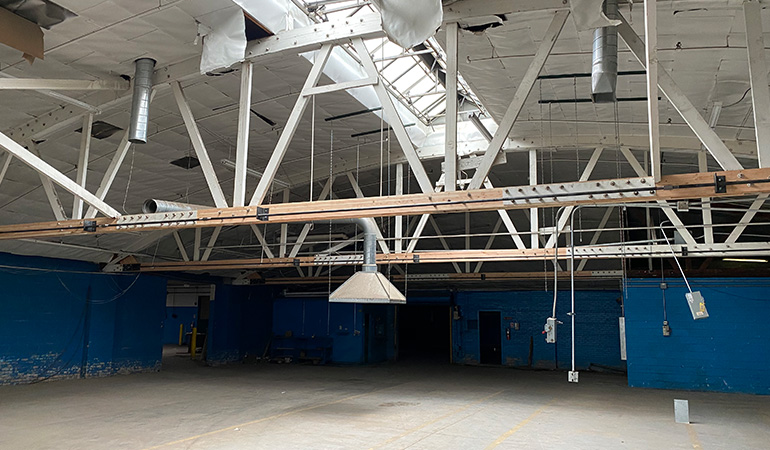
Before
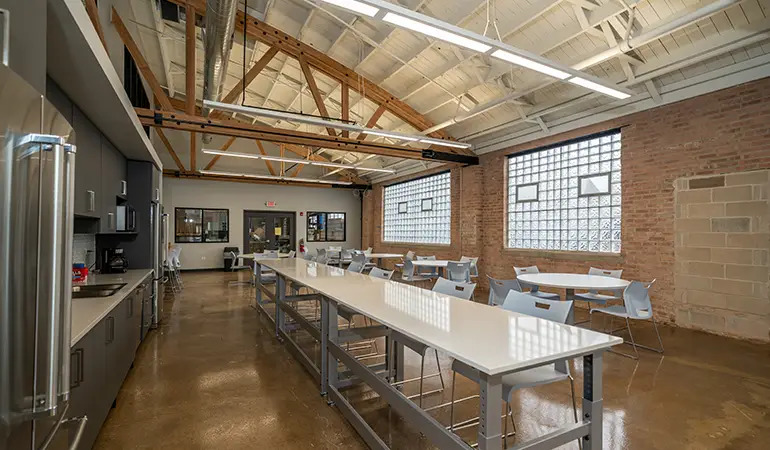
After
Look Beyond Basic Licensing and Insurance
Licensing and insurance form the baseline, not the benchmark. A qualified contractor should demonstrate structured project management, detailed scheduling, and transparent communication. Commercial projects involve layered coordination between electrical, plumbing, HVAC, framing, millwork, and inspection authorities. The contractor must manage these moving parts with discipline and clarity.
Ask how the company develops timelines and tracks progress. Request insight into how site supervision works and how changes are documented. Commercial build-outs demand accountability at every stage. A contractor who cannot clearly explain their internal systems may struggle when unexpected conditions arise inside existing structures.
Evaluate Experience With Commercial Build-Outs
Commercial construction differs from residential remodeling in complexity, code compliance, and operational planning. A contractor with hands-on experience in commercial build-outs understands tenant improvement requirements, occupancy regulations, and phased construction strategies within active business environments.
Experience with pre-engineered metal buildings, structural modifications, and custom millwork reflects broader technical capability. Contractors who regularly manage turnkey build-outs approach the project holistically. They evaluate structural conditions, mechanical systems, workflow patterns, and finish durability rather than focusing only on surface improvements.
Review Budgeting Practices and Value Engineering
Budget overruns often stem from incomplete preconstruction planning. Strong commercial build-out contractors invest time in scope clarification and cost analysis before construction begins. They identify long-lead materials, assess potential structural adjustments, and outline permit requirements early.
Value engineering does not mean cutting quality. It means aligning design intent with practical material choices and construction methods that control cost without sacrificing performance. Contractors who approach projects with financial discipline help businesses allocate resources efficiently and avoid reactive spending later.
Assess Communication and Trade Coordination
Commercial projects require consistent coordination between architects, engineers, inspectors, and subcontractors. Communication breakdowns lead to delays and rework. A capable contractor sets expectations for meeting frequency, reporting structure, and decision timelines from the outset.
In many cases, companies that handle both commercial construction and specialized residential work demonstrate versatility in craftsmanship. For example, firms recognized as experienced kitchen remodeling contractors in Elgin often bring refined millwork knowledge and finish precision into commercial interiors that demand detailed cabinetry or custom installations.
Inspect Craftsmanship and Site Management
Visit completed projects if possible. Observe finish alignment, millwork detailing, transitions between materials, and overall structural integrity. These visual indicators reveal how carefully the contractor manages workmanship standards.
Site management also reflects professionalism. Organized job sites reduce safety risks and accelerate workflow. Commercial spaces frequently operate under strict timelines tied to lease agreements or operational launch dates.
Confirm Turnkey Capabilities
Many commercial projects require more than interior finishes. They may include structural framing, mechanical upgrades, steel fabrication, and custom cabinetry. Contractors with turnkey capabilities handle these components under one coordinated plan rather than fragmenting responsibility across multiple parties.
Pre-engineered metal building experience further signals technical depth. Contractors familiar with structural steel systems and an integrated mechanical planning approach can plan commercial build-outs with broader construction insight.
Start Your Commercial Build-Out With a Team Focused on Precision and Results
At B & C Enterprises, Inc., we approach every commercial build-out with planning, value engineering, and disciplined coordination. Our team manages turnkey construction, custom millwork, structural systems, and full interior build-outs with professionalism and cost efficiency. With us, you gain organized project management and reliable execution aligned with long-term operational goals.
If you are planning a commercial project, contact us to discuss how we can move your vision forward.